
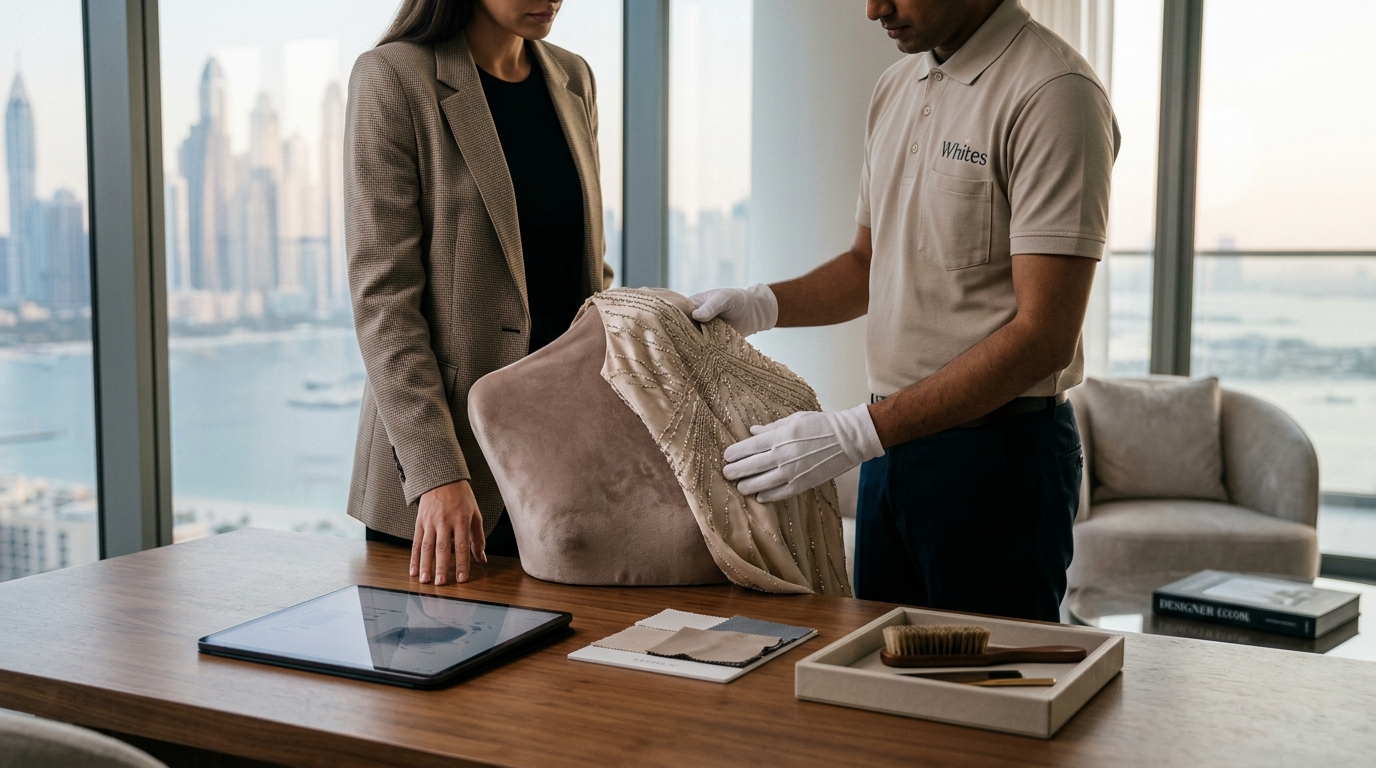
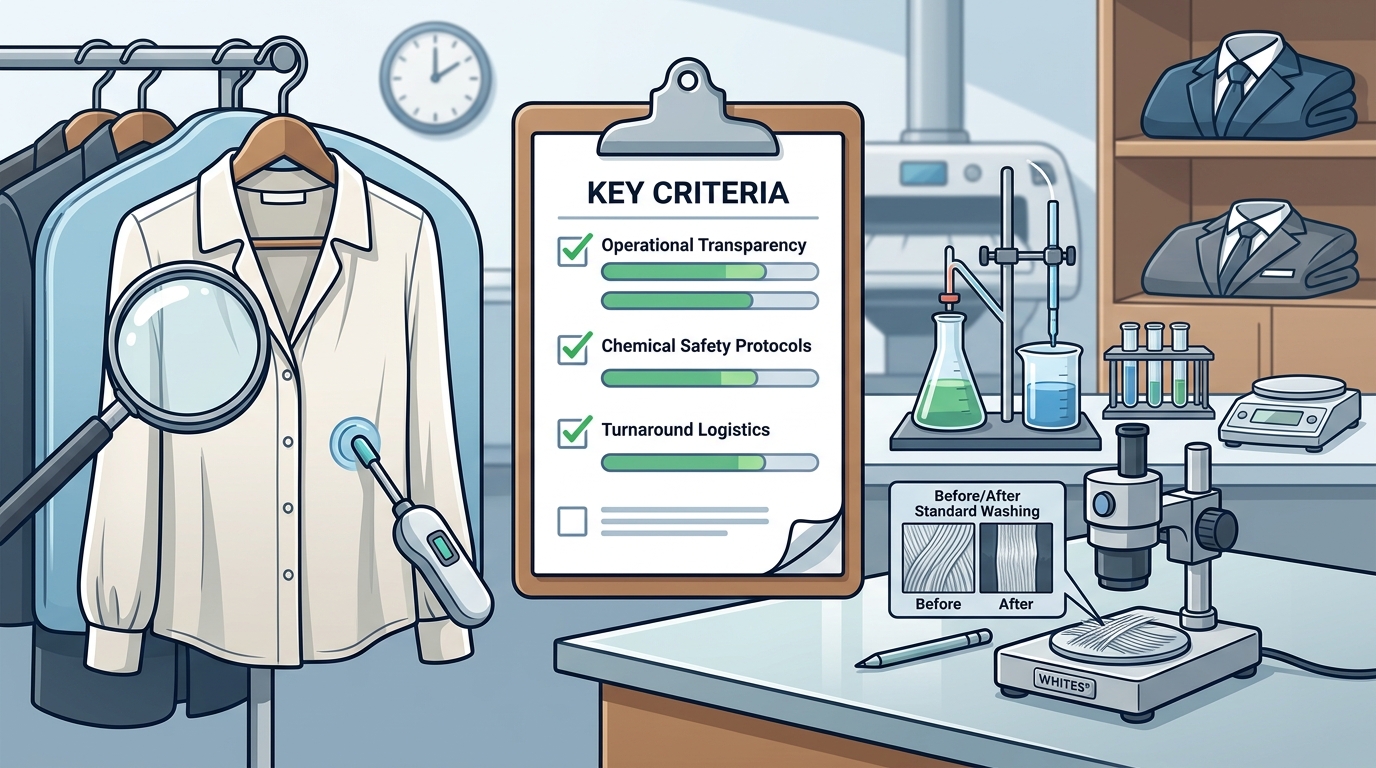
Industry data shows that textile experts report a 42 percent increase in consumer demand for specialized fabric maintenance across major metropolitan markets. This shift reflects a growing awareness that standard washing cycles frequently degrade delicate fibers and compromise structural integrity. Consumers must evaluate operational transparency, chemical safety protocols, and turnaround logistics before committing to a provider. Understanding these core metrics ensures your wardrobe receives the precise care it requires without unnecessary financial waste.
Evaluating Operational Standards
Advanced textile processing requires specialized machinery that mimics professional laboratory conditions. Automated sorting systems are computerized intake mechanisms that scan fabric composition tags and assign precise solvent ratios to each batch. You should verify that your chosen facility utilizes digital tracking from drop-off to final inspection. This oversight guarantees that high-value items never cross-contaminate standard laundry loads. Facilities that publish their equipment specifications demonstrate a commitment to modern industry benchmarks.
Quality Assurance Protocols
Reputable providers implement multi-stage inspection routines before releasing finished garments. Each piece undergoes a rigorous visual assessment under calibrated lighting conditions. Technicians check for residual stains, seam integrity, and colorfastness before packaging. This systematic approach prevents costly returns and builds long-term client trust. You will notice a marked difference in consistency when comparing automated quality checks against manual hand-inspection methods.
Assessing Chemical Safety Protocols
Modern dry cleaning relies on advanced solvent formulations that prioritize environmental compliance and fabric longevity. Green laundry practices are hydrocarbon-based cleaning protocols that prioritize environmental compliance and fabric longevity. These newer compounds evaporate rapidly and leave zero toxic residues on delicate fibers. You must request documentation regarding solvent disposal methods and local environmental compliance certifications. Facilities that publish their environmental impact reports demonstrate a commitment to sustainable operations. Consumers should prioritize providers that explicitly state their adherence to regional waste management regulations.
Fabric Compatibility Testing
Advanced laboratories conduct pre-cleaning compatibility tests on sample swatches before processing entire garments. These tests measure color bleeding, shrinkage rates, and texture degradation under controlled solvent exposure. Providers that skip this step risk irreversible damage to silk, wool, and structured blazers. You should always confirm that your selected service offers pre-treatment analysis for high-value items. This precautionary step saves significant replacement costs and preserves original garment aesthetics.
Analyzing Service Delivery Models
Convenience remains a primary driver for modern consumer loyalty in the garment care sector. Curbside pickup logistics are dedicated fleet operations equipped with climate-controlled storage compartments to prevent moisture damage during transit. These compartments maintain optimal humidity levels to prevent moisture damage during transit. You should verify that your provider offers real-time tracking notifications throughout the entire delivery cycle. Transparent communication channels reduce anxiety and streamline the entire maintenance workflow. Facilities that publish their service area maps demonstrate geographic accessibility and operational scale.
Turnaround Speed Metrics
Industry benchmarks indicate that premium providers typically complete standard orders within 48 hours. This accelerated timeline requires optimized workflow scheduling and dedicated finishing stations. You should compare advertised delivery windows against actual historical performance data. Providers that consistently meet their stated deadlines demonstrate superior logistical planning. You can verify these claims by reviewing independent customer feedback and operational case studies.
Reviewing Pricing Transparency
Hidden fees frequently undermine the perceived value of premium garment care services. Subscription bundle models consolidate weekly maintenance costs into predictable monthly invoices. These packages typically include discounted rates for high-volume items like corporate uniforms and seasonal wardrobes. You should request a detailed price matrix before scheduling your first collection. Transparent pricing structures eliminate surprise charges and allow accurate budget forecasting. Providers that publish their complete rate cards demonstrate confidence in their operational efficiency.
Value Optimization Strategies
Smart consumers leverage tiered service levels to match specific garment requirements. Standard maintenance packages cover everyday cotton and polyester blends. Premium tiers allocate specialized solvents and extended drying cycles for structured tailoring. You should match your subscription tier to your actual wardrobe composition. This alignment prevents overspending on unnecessary processing steps while ensuring critical items receive adequate attention. Facilities that offer customizable service tiers demonstrate flexibility and customer-centric design.
Examining Specialized Care Capabilities
High-end fashion houses require bespoke maintenance protocols that standard facilities cannot replicate. Couture preservation techniques are specialized hand-finishing procedures that utilize archival-grade packaging materials to protect intricate beadwork and delicate lace. These methods protect intricate beadwork, delicate lace, and structured silhouettes from deformation. You should verify that your provider maintains dedicated couture specialists with proven textile restoration backgrounds. Facilities that publish their specialized service portfolios demonstrate deep industry expertise. Consumers should always request case studies or portfolio examples before entrusting heirloom pieces to unproven vendors.
Bridal Maintenance Standards
Wedding garments demand exceptional care due to their historical value and emotional significance. Specialized cleaning protocols utilize oxygen-based brighteners to restore ivory tones without damaging delicate fibers. You should confirm that your selected provider offers archival storage options after final processing. These storage solutions prevent yellowing and fabric degradation over extended periods. Facilities that publish their bridal service guidelines demonstrate comprehensive industry knowledge and long-term preservation expertise.
| Service Category | Processing Method | Turnaround Window | Target Garment Type | Provider Link |
|---|---|---|---|---|
| Standard Maintenance | Automated solvent extraction | 48 hours | Cotton blends, everyday wear | View Pricing |
| Premium Tailoring | Hand-finishing with specialized pressing | 72 hours | Structured blazers, formal suits | Couture Service |
| Bridal Preservation | Oxygen-based brightening and archival packaging | 5 to 7 days | Wedding gowns, heirloom textiles | Bridal Care |
| Weekly Subscription | Wash, dry, and precision folding | 24 hours | High-volume corporate uniforms | WASH+FOLD Bag |
Key Takeaways
- Automated sorting systems reduce human error during initial intake phases.
- Green laundry practices utilize hydrocarbon-based solvents to replace traditional perchloroethylene.
- Curbside pickup logistics utilize climate-controlled compartments to prevent moisture damage.
- Subscription bundle models consolidate weekly maintenance costs into predictable monthly invoices.
- Couture preservation techniques involve hand-finishing and archival-grade packaging materials.
- Facilities operating across multiple metropolitan hubs demonstrate superior logistical scalability.
- Transparent pricing structures eliminate surprise charges and allow accurate budget forecasting.
Frequently Asked Questions
What defines a premium garment care service?
A premium garment care service is a specialized maintenance provider that utilizes automated sorting systems, advanced solvent formulations, and multi-stage quality assurance protocols to preserve fabric integrity and structural longevity.
How do I verify chemical safety standards?
You should request documentation regarding solvent disposal methods and local environmental compliance certifications from your chosen provider. Facilities that publish their environmental impact reports demonstrate a commitment to sustainable operations.
What turnaround time is realistic for premium services?
Industry benchmarks indicate that premium providers typically complete standard orders within 48 hours. This accelerated timeline requires optimized workflow scheduling and dedicated finishing stations.
Are subscription bundles financially advantageous?
Subscription bundle models consolidate weekly maintenance costs into predictable monthly invoices. These packages typically include discounted rates for high-volume items like corporate uniforms and seasonal wardrobes.
How are delicate fabrics protected during processing?
Advanced laboratories conduct pre-cleaning compatibility tests on sample swatches before processing entire garments. These tests measure color bleeding, shrinkage rates, and texture degradation under controlled solvent exposure.
What packaging methods prevent long-term degradation?
Archival storage solutions utilize breathable, acid-free materials to prevent yellowing and fabric degradation over extended periods. These storage solutions prevent yellowing and fabric degradation over extended periods.
Can specialized services handle structured tailoring?
Premium tailoring services utilize hand-finishing with specialized pressing boards to maintain original garment silhouettes. You should match your subscription tier to your actual wardrobe composition for optimal results.
Next Steps
Securing reliable garment maintenance requires careful evaluation of operational transparency, chemical safety protocols, and turnaround logistics. You should schedule a consultation with a certified textile care specialist to assess your specific wardrobe requirements. Visit our main portal to explore comprehensive service packages and schedule your first collection. Order Online to experience premium garment care tailored to your exact specifications. Contact our support team directly to discuss custom enterprise solutions and regional service availability.